Comparing Online and In-Person Counseling: What’s Best for You?


Understanding Online and In-Person Counseling
Counseling has become an essential part of maintaining mental health, and with the advent of technology, it’s now more accessible than ever. Two primary methods of counseling are available: online and in-person. Each has its unique advantages and challenges, making the choice largely dependent on personal preference and circumstances.
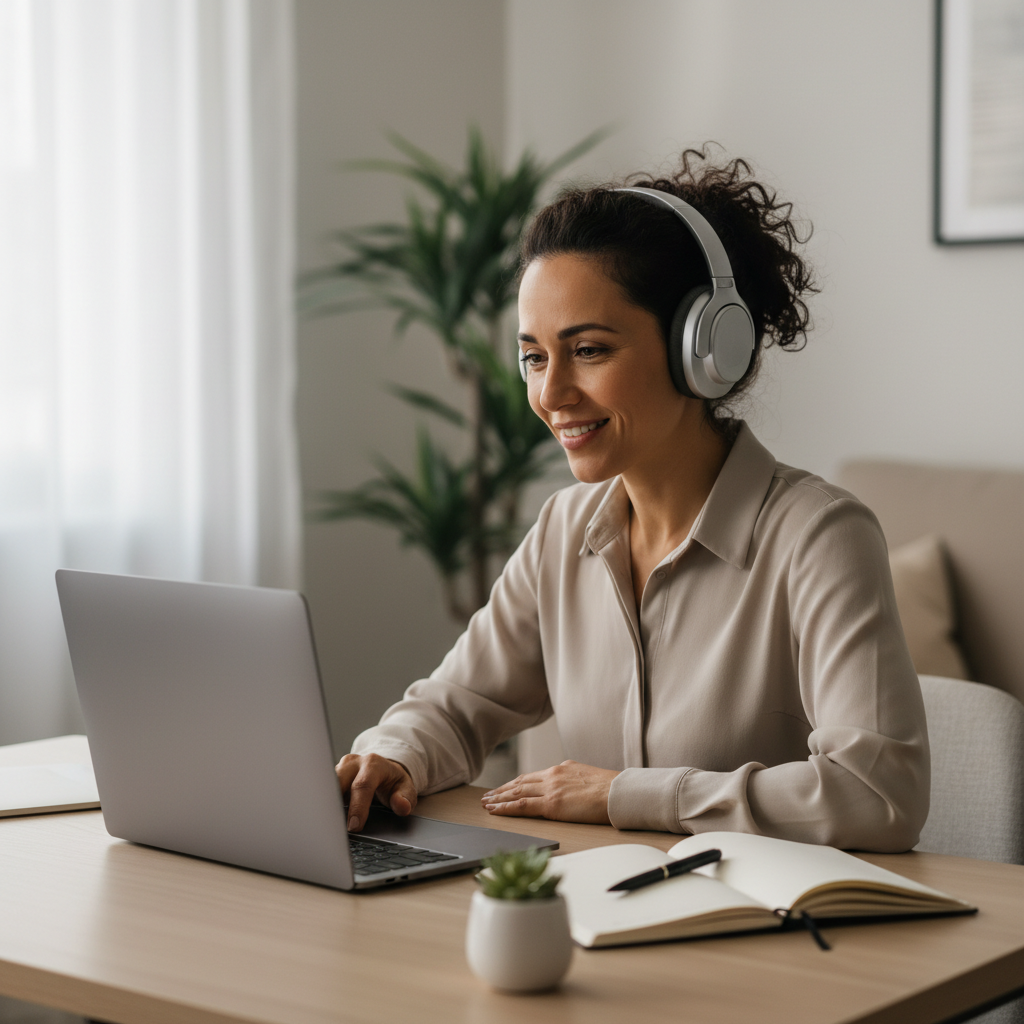
The Benefits of Online Counseling
Online counseling offers a level of convenience that traditional in-person sessions cannot match. You can engage with a therapist from the comfort of your home, reducing the need for travel and saving time. This is particularly beneficial for those with busy schedules or mobility issues. Additionally, online platforms often provide a wider selection of therapists, allowing clients to find a professional who perfectly matches their needs, regardless of geographical location.
Another significant advantage of online counseling is the level of anonymity it provides. For individuals who may feel apprehensive about visiting a therapist's office, the privacy of online sessions can make it easier to open up and engage in therapy.
The Advantages of In-Person Counseling
Despite the convenience of online counseling, in-person sessions offer their own set of benefits. The physical presence of a therapist can create a more personal and empathetic connection. Non-verbal cues, such as body language and facial expressions, are more easily interpreted, which can enhance communication and understanding.

In-person counseling also provides a structured environment, free from the distractions of home life. This setting can foster a deeper focus on the therapeutic process, allowing for potentially more effective sessions.
Potential Challenges of Both Methods
Both online and in-person counseling come with challenges. Online counseling may suffer from technical issues like poor internet connection or software glitches, which can disrupt sessions. Furthermore, some individuals may find it difficult to establish a genuine connection through a screen.
On the other hand, in-person counseling may be less accessible due to location constraints or scheduling conflicts. Additionally, the necessity to travel to appointments can be a barrier for some clients.

Making the Right Choice for You
Choosing between online and in-person counseling depends largely on your personal needs and circumstances. Consider the following factors:
- Your comfort level with technology
- Availability of local therapists
- Your schedule and time constraints
- Preference for privacy and anonymity
Ultimately, the best choice is one that aligns with your lifestyle and mental health goals. Both methods offer valuable support and can be effective in fostering personal growth and healing.
Final Thoughts
Whether you choose online or in-person counseling, the most important step is seeking help when you need it. Both modalities are designed to provide support and guidance, helping you navigate life’s challenges. Remember, the effectiveness of therapy often depends more on the client-therapist relationship than the mode of delivery.