Debunking Common Myths About Therapy and Counseling


Understanding the Misconceptions
Therapy and counseling have often been surrounded by a cloud of myths and misconceptions. These false beliefs can deter people from seeking the help they need. It’s important to address these myths to foster a better understanding of what therapy truly entails.

Myth 1: Therapy is Only for People with Serious Mental Illness
One of the most common myths is that therapy is only for those with severe mental health issues. In reality, therapy can benefit anyone facing challenges in life, whether they're dealing with stress, relationship issues, or personal growth goals. It’s a space for anyone seeking to improve their mental well-being.
Myth 2: Therapists Just Listen and Don’t Offer Solutions
Some people believe that therapists merely listen without providing actionable advice. While listening is a crucial part of therapy, therapists also offer strategies and tools to help clients manage their issues. They guide individuals in understanding their thoughts and behaviors, facilitating positive change.
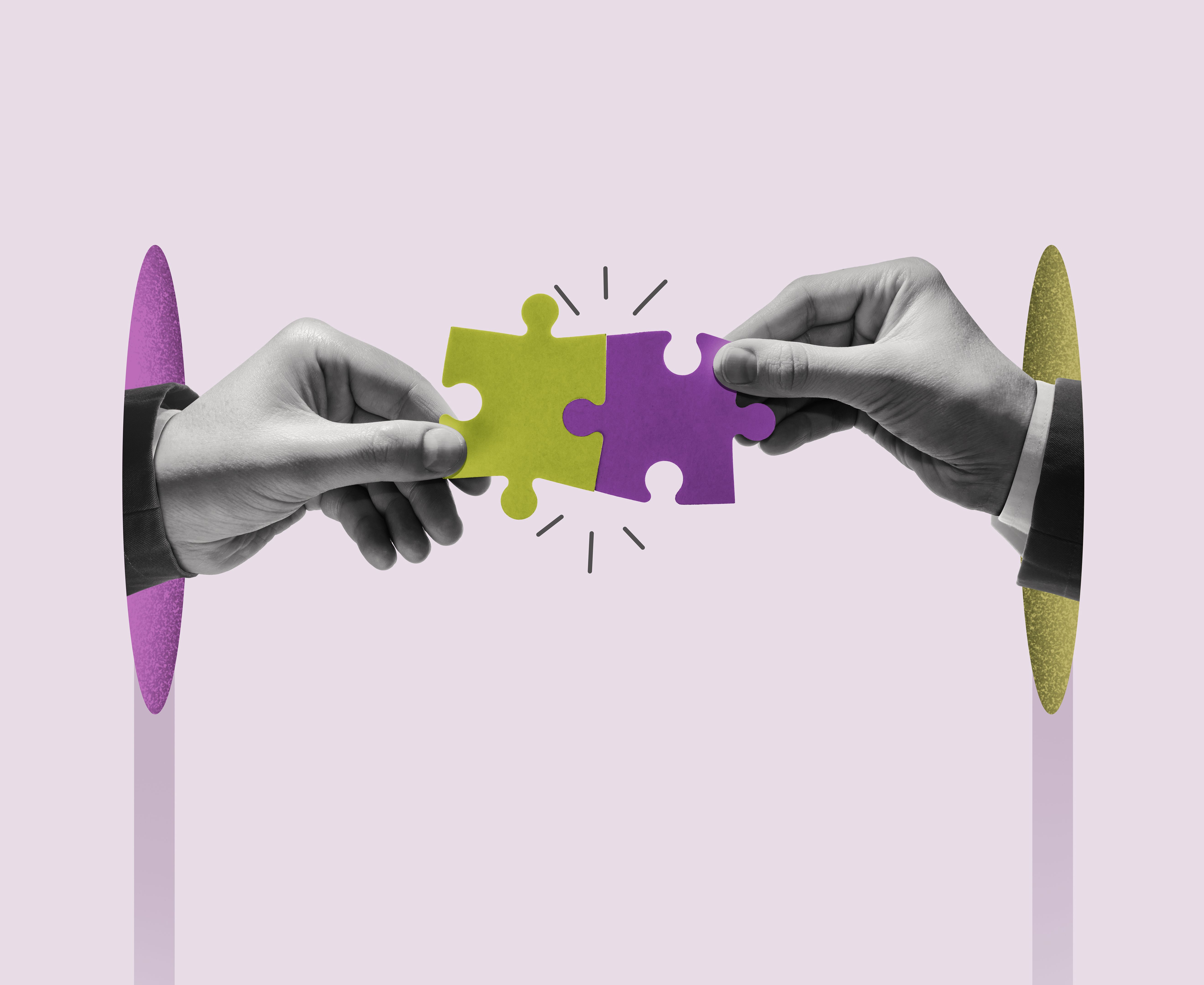
The Truth About Therapy
Understanding the true nature of therapy can encourage more individuals to seek help. It’s not just about discussing problems but also about discovering solutions and personal growth.
Myth 3: Therapy is a Sign of Weakness
Seeking therapy is often wrongly perceived as a sign of weakness. In fact, reaching out for help requires courage and strength. It shows a commitment to personal development and a proactive approach to handling life's challenges.
Myth 4: You Must Lie on a Couch and Talk About Your Childhood
This stereotype is largely outdated. While exploring past experiences can be part of therapy, modern therapy sessions are more about addressing current issues and working towards future goals. Sessions are tailored to individual needs and preferences.

Final Thoughts
Debunking these myths is essential for changing perceptions about therapy and encouraging more people to seek the support they need. Therapy is a valuable resource for anyone striving to achieve a healthier, more balanced life. By understanding and dispelling these misconceptions, we can break down barriers and promote mental health for all.